BePrepared.com is brought to you by...


Order History >>
 View Cart - 0 items

Place Orders Toll-Free
1-800-999-1863
  Enter a Keyword or Item #:


Enter an Item #:


Order Multiple Items »   

 • Freeze Dried in Pouches

• Freeze Dried Foods In #10 Cans

• Superpails

• Dehydrated Food Storage in Cans

• Provident Pantry® Freeze Dried Food in Cans

• MRE (Meals Ready to Eat)

• Build Your Own First Aid Kit


Food Storage
  • Food Storage - Year Supply Units
  • Food Storage - Freeze Dried Foods
  • Food Storage - Dehydrated & Dry Foods
  • MRE (Meals Ready to Eat)
  • Food Storage Containers
  • Kitchen Processing Items
  • Water Storage and Accessories
Emergency Kits
and Components
  • Emergency Power and Chargers
  • First Aid
  • Build Your Own First Aid Kit
  • Preparedness Education
  • Radios and Communication
  • Sanitation & Hygiene
  • Tools and Knives
  • Warmth & Coverings
  • Water Filters, Purifiers, and Accessories
Camping Preparedness
  • Shelter
  • Navigation Equipment
  • Cooking Stoves and Accessories
  Valuable information on how to prepare for emergencies, build your food storage and much more.
Click Here
 

  Help turn your food storage program into a lifestyle and provide a great way to rotate and replenish your foods. Click Here


Get Special Offers from
Emergency Essentials


Floods: Before, During and After the Disaster

The following information is taken from the FEMA web site at www.fema.gov/hazard/flood/index.shtm:

What Should I Do Before A Flood?

How to Plan

Nobody can stop a flood. But if you are faced with one, there are actions you can take to protect your family and keep your property losses to a minimum.

The most important thing is to make sure your family is safe.

Before a Flood

  • Keep a battery-powered radio tuned to a local station, and follow emergency instructions.
  • If the waters start to rise inside your house before you have evacuated, retreat to the second floor, the attic, and if necessary, the roof. Take dry clothing, a flashlight and a portable radio with you. Then, wait for help. Don't try to swim to safety; wait for rescuers to come to you.

Buy Flood Insurance

  • One of the most important things that you can do to financially protect your home and family before a flood is to purchase a flood insurance policy.
  • You can obtain one through your insurance company or agent. Flood insurance is guaranteed through the National Flood Insurance Program (NFIP), administered by the Federal Emergency Management Agency. Your homeowners insurance does not cover flood damage.
  • Don't wait until a flood is coming to purchase your policy. It normally takes 30 days after purchase for a flood insurance policy to go into effect.
  • For more information about the NFIP and flood insurance, contact your insurance company or agent, or call the NFIP at 1-888-FLOOD29 or TDD# 1-800-427-5593.

If time permits, here are other steps that you can take before the flood waters come

  • Turn off all utilities at the main power switch and close the main gas valve if evacuation appears necessary.
  • Move valuables, such as papers, furs, jewelry, and clothing to upper floors or higher elevations.
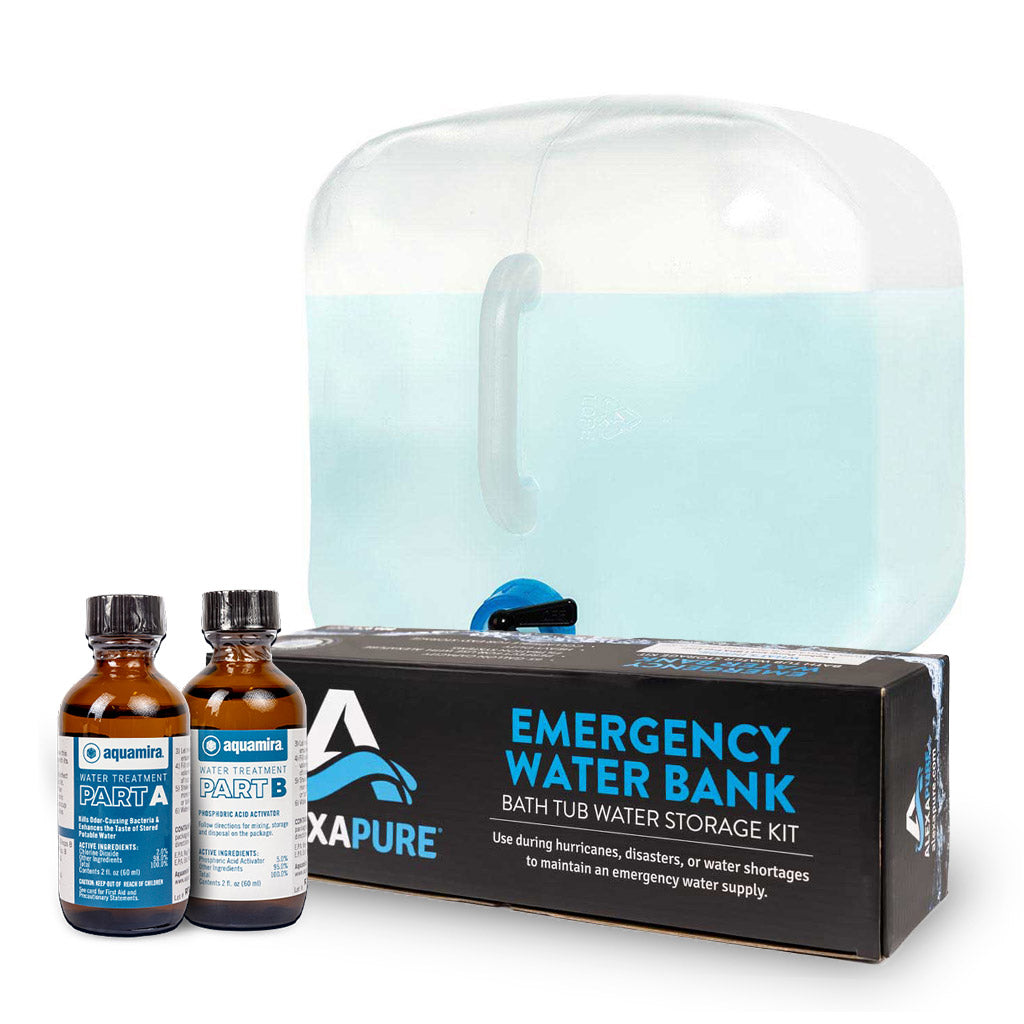
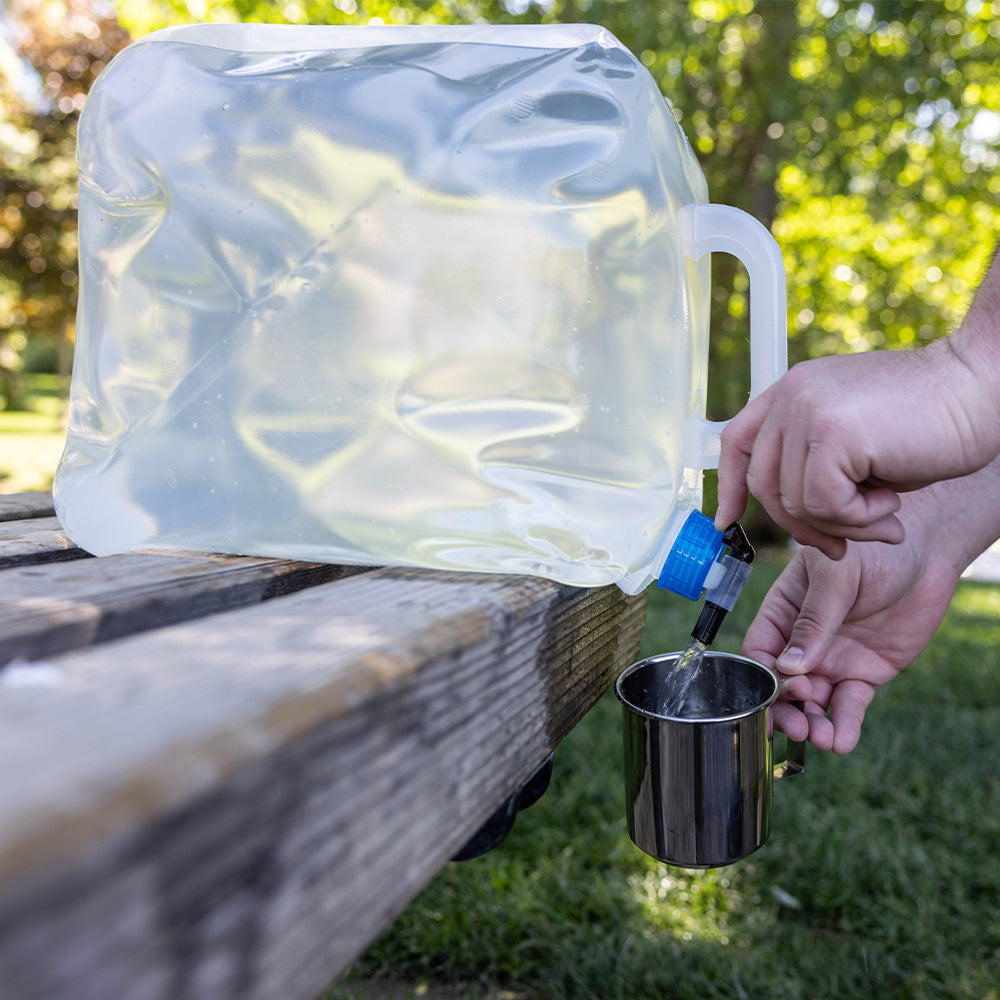
  • Fill bathtubs, sinks and plastic soda bottles with clean water. Sanitize the sinks and tubs first by using bleach. Rinse, then fill with clean water.
  • Bring outdoor possessions, such as lawn furniture, grills and trash cans inside, or tie them down securely.

What Should I Do During a Flood?

Once The Flood Arrives

  • Do not drive through a flooded area. If you come upon a flooded road, turn around and go another way. More people drown in their cars than anywhere else.
  • Do not walk through flooded areas. As little as six inches of moving water can knock you off your feet.
  • Stay away from downed power fines and electrical wires. Electrocution is another major source of deaths in floods. Electric current passes easily through water.
  • Look out for animals - especially snakes. Animals lose their homes in floods, too. They may seek shelter in yours.

What Should I Do After A Flood?

After The Flood

  • If your home, apartment or business has suffered damage, call the insurance company or agent who handles your flood insurance policy right away to file a claim.
  • Before entering a building, check for structural damage. Don't go in if there is any chance of the building collapsing.
  • Upon entering the building, do not use matches, cigarette lighters or any other open flames, since gas may be trapped inside. Instead, use a flashlight or a lightstick to light your way.
  • Keep power off until an electrician has inspected your system for safety.
  • Flood waters pick up sewage and chemicals from roads, farms and factories. If your home has been flooded, protect your family's health by cleaning up your house right away. Throw out foods and medicines that may have come into contact with flood water.
  • Until local authorities proclaim your water supply to be safe, boil water for drinking and food preparation vigorously for five minutes before using.
  • Be careful walking around. After a flood, steps and floors are often slippery with mud and covered with debris, including nails and broken glass.
  • Take steps to reduce your risk of future floods. Make sure to follow local building codes and ordinances when rebuilding, and use flood-resistant materials and techniques to protect yourself and your property from future flood damage.

Floods and flash floods occur within all 50 states and can be extremely dangerous. They are the most common and widespread of all natural disasters next to fire, so knowledge and preparation is extremely important and will help keep losses to a minimum.

Home |  Group Specials |  Customer Service |  Retail Stores |  View our Return Policy  
Shipping Rates |  Contact Us |  About Us |  FAQs |  Site Map |  Related Links

Copyright 2008 Emergency Essentials ®
653 North 1500 West, Orem, UT 84057. 1-800-999-1863


Note: Supplies may be limited and prices are subject to change without notice.
Emergency Essentials, Inc. has been dedicated to helping people be prepared for an emergency or disaster for over 20 years. Our emergency products and emergency preparedness information have been a valuable resource to thousands of people as they have created their own emergency preparedness plans.

Emergency Essentials can help with your emergency preparedness plan in the categories of food storage, water storage, water filtration, camping equipment, first aid kits, emergency communication, emergency warmth, MRE (Meals Ready to Eat) supplies, and more; basically almost anything you would need for emergency preparedness.

Our wide variety of long-term food storage products, consisting of freeze-dried foods, dehydrated food, and MREs (Meals Ready to Eat) can help you build and maintain your food storage for when a disaster or emergency occurs. Our food storage is packed in #10 cans, with either oxygen absorbers or nitrogen flushed, for maximum shelf life to provide nutrition and great taste in the event of an emergency. At Emergency Essentials you can also find food storage recipes to help rotate your freeze dried and dehydrated foods in your emergency food supply. You can also find pre-made freeze dried foods in Mountain House pouches, which are excellent to have in a 72-hour emergency kit or just to take with you while camping.

Our popular emergency kit product line is another way we have helped people prepare. In fact, our 72-hour emergency kits have been featured in the Wall Street Journal. We have emergency kits for your home, auto, school, or office. In addition to finding our pre-assembled 72-hour emergency kits, you can also make your own emergency kit by purchasing our individual emergency supplies. You can also find our large supply of well-stocked first aid kits.

Camping supplies are complimentary products to emergency preparedness. From tents and backpacks to sleeping bags, water filters and water purifiers; we have a wide selection of camping products to help you with your emergency shelter, water storage, water filtration, and outdoor adventures.

Emergency Essentials is committed to help you meet your emergency preparedness goals. We are dedicated to helping people prepare and we look forward to working with you.