BePrepared.com is brought to you by...


Order History >>
 View Cart - 2 items

Place Orders Toll-Free
1-800-999-1863
  Enter a Keyword or Item #:


Enter an Item #:


Order Multiple Items »   

 • Freeze Dried in Mountain House Pouches

• Freeze Dried Foods In #10 Cans

• Superpails

• Dehydrated Food Storage in Cans

• Provident Pantry® Freeze Dried Food in Cans

• MRE (Meals Ready to Eat)

• Build Your Own First Aid Kit


453
  Valuable information on how to prepare for emergencies, build your food storage and much more.
Click Here
 

  Help turn your food storage program into a lifestyle and provide a great way to rotate and replenish your foods. Click Here


ABOUT SSL CERTIFICATES
 
Get Special Offers from
Emergency Essentials


Which Method of Storing is the Best?

Many people want to know which method is the best for storing their food, and depending on whom you ask, you will probably get a different answer. Each method has different advantages and disadvantages, depending on what your priorities are when it comes to food storage. We have outlined the basic methods, and how they affect your food storage. So you be the judge of the best method for you and your family, and start getting prepared!

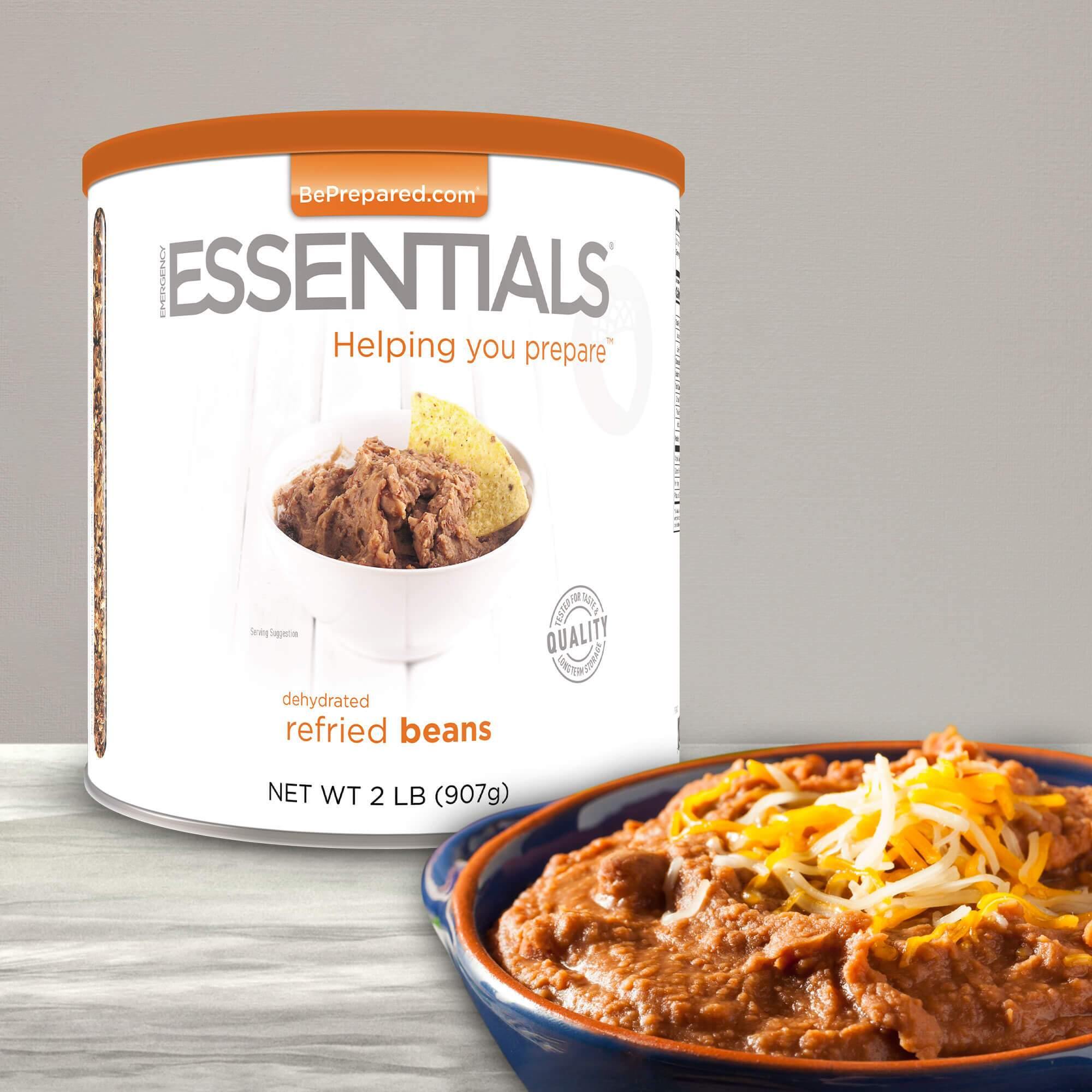
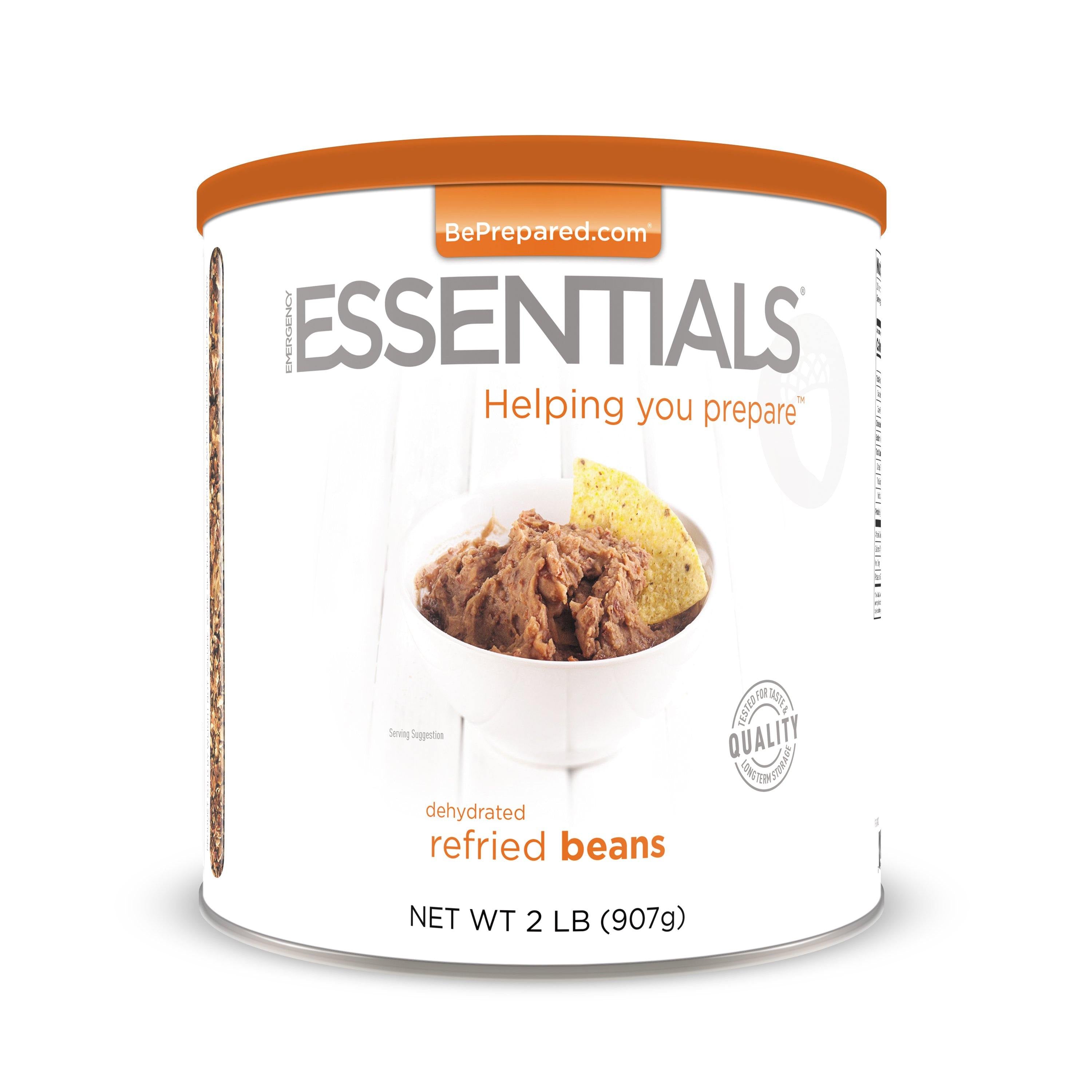
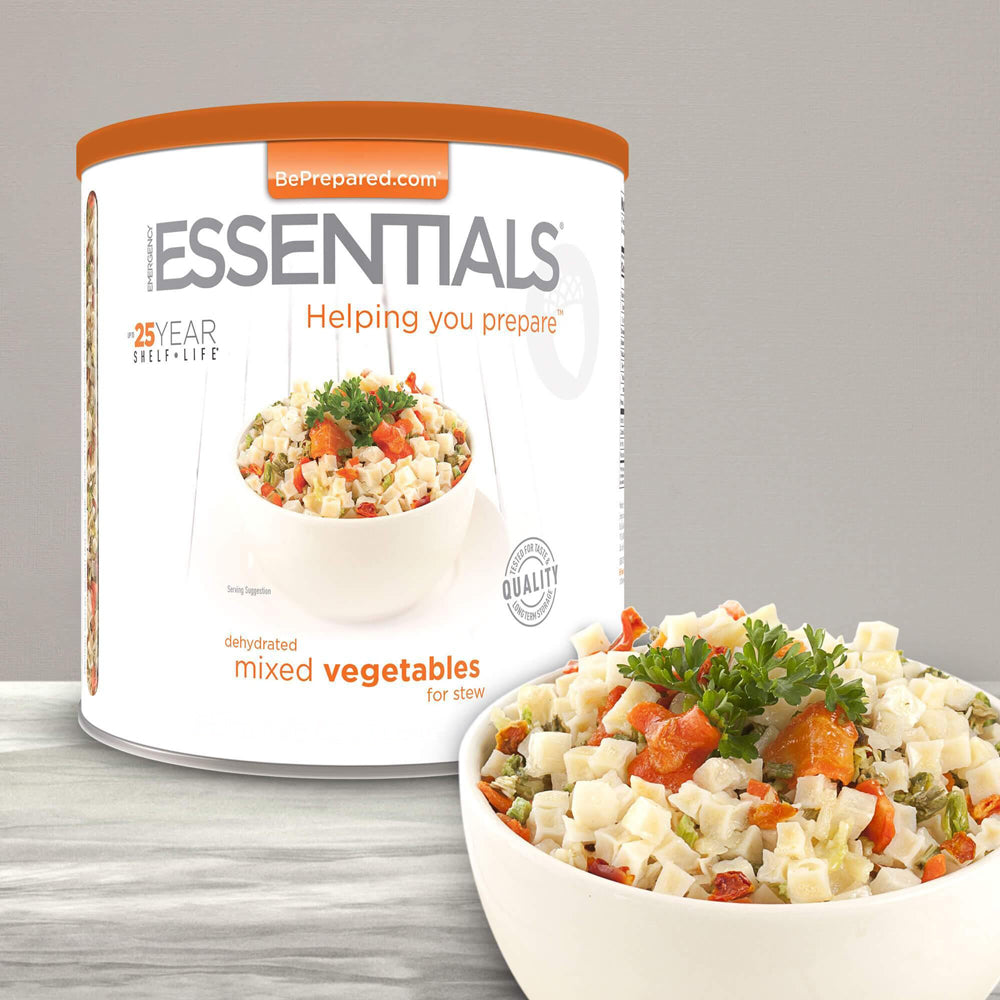
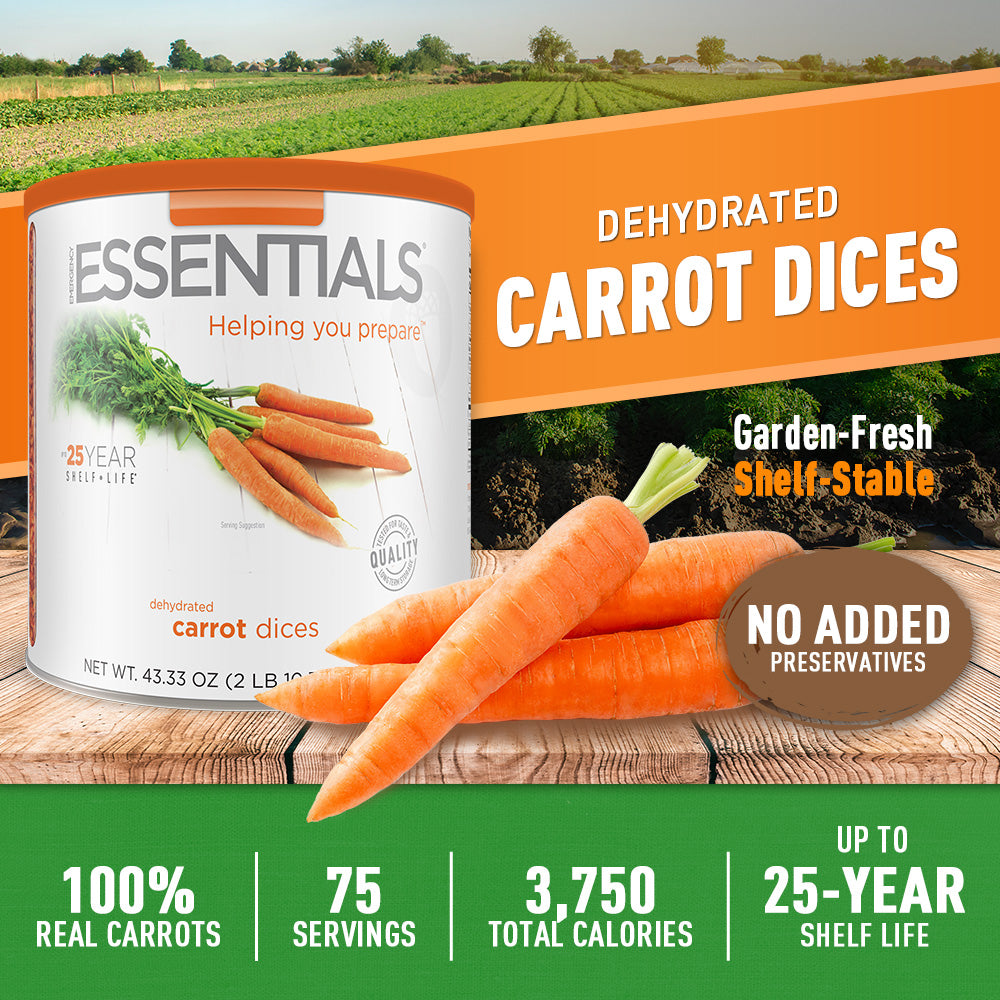
Dehydrated Foods

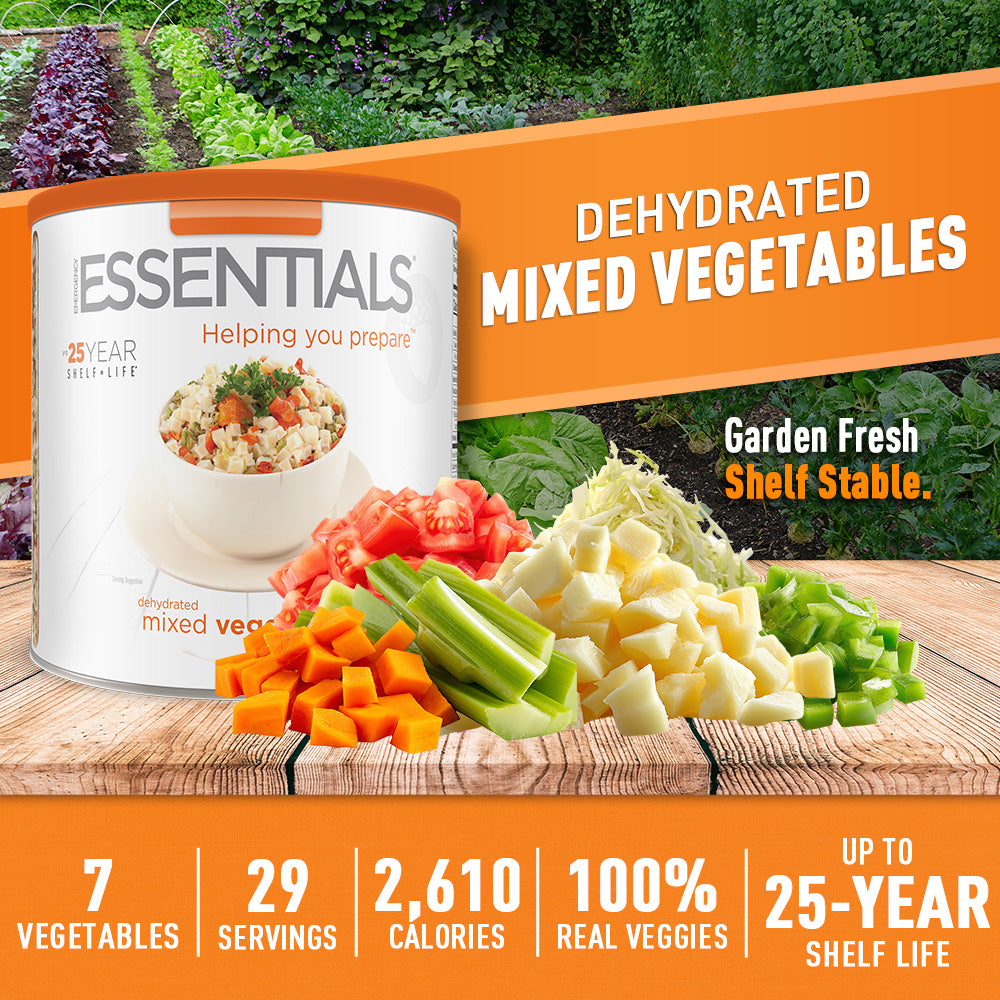
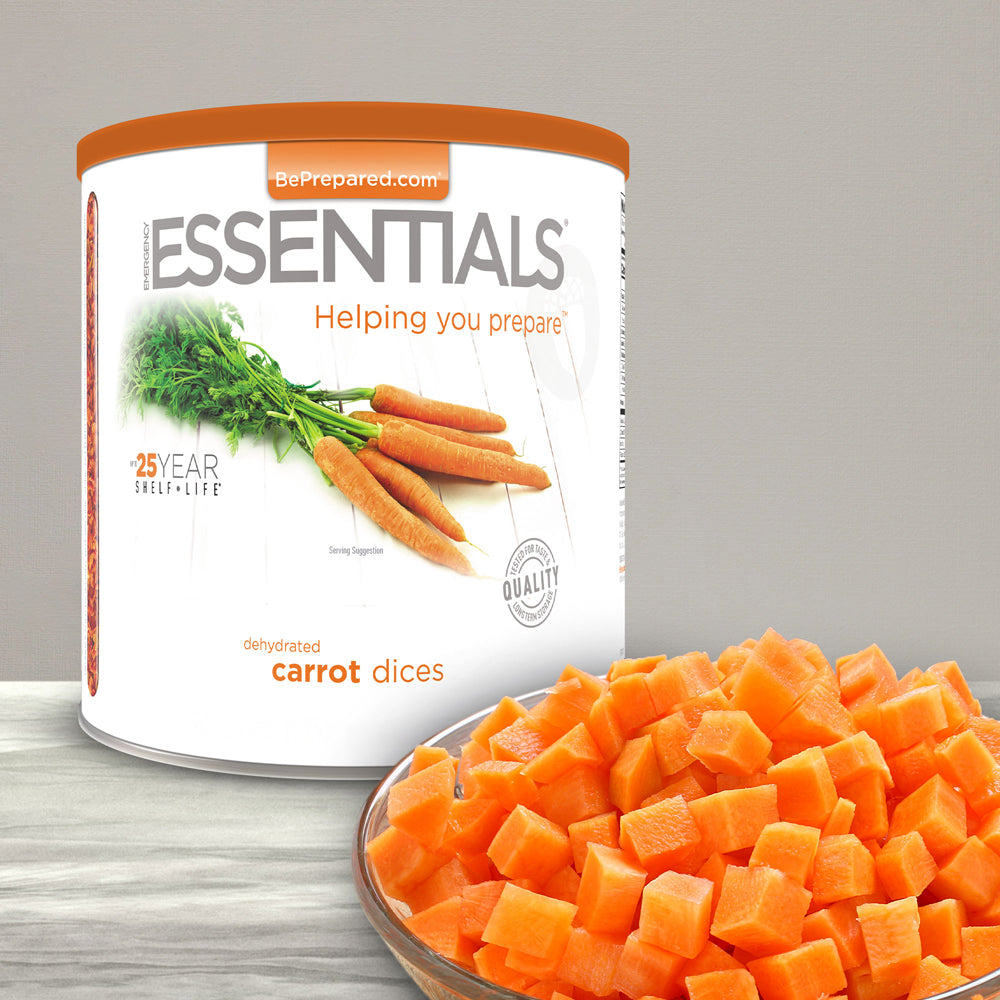
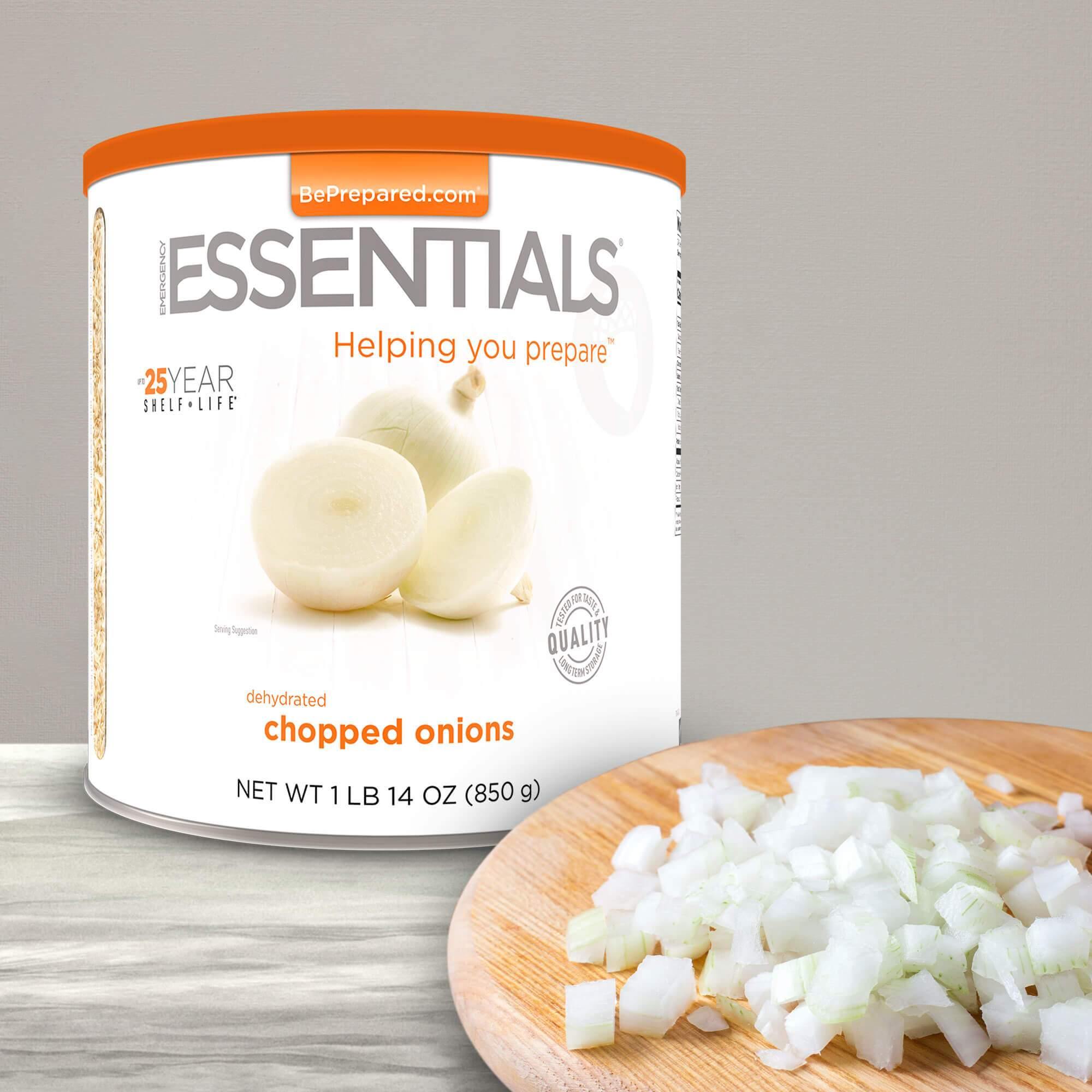
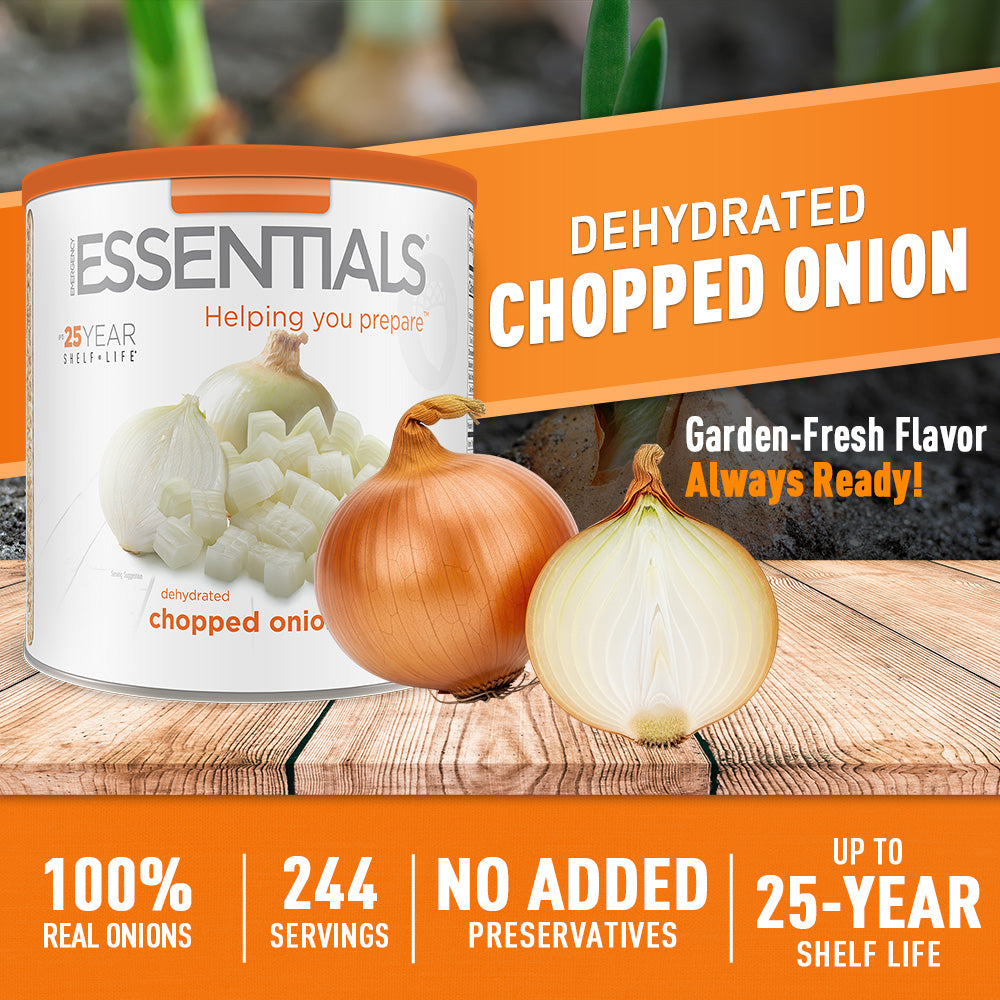
When food is dehydrated, the water is slowly cooked out of the fruit or vegetable, without actually cooking it. There are three different methods: air-dried, sun-dried, or kiln-dried. Food can be easily sun-dried from your home, whereas the air or kiln method requires more equipment. All methods are very cost-efficient for storing food. Once fruits and vegetables are dried, they are then stored in airtight containers. Usually they are packed with an oxygen absorber, which effectively removes the oxygen, leaving only nitrogen behind.

Advantages Disadvantages
Lower price than freeze-dried Food loses some texture when dried
Food is compact--more can be stored in a container Some loss of taste compared to freeze-dried
Food can be dried at home (sun-dried) Need a machine to create air tight seal and add oxygen absorber
Easy to reconstitute with water  

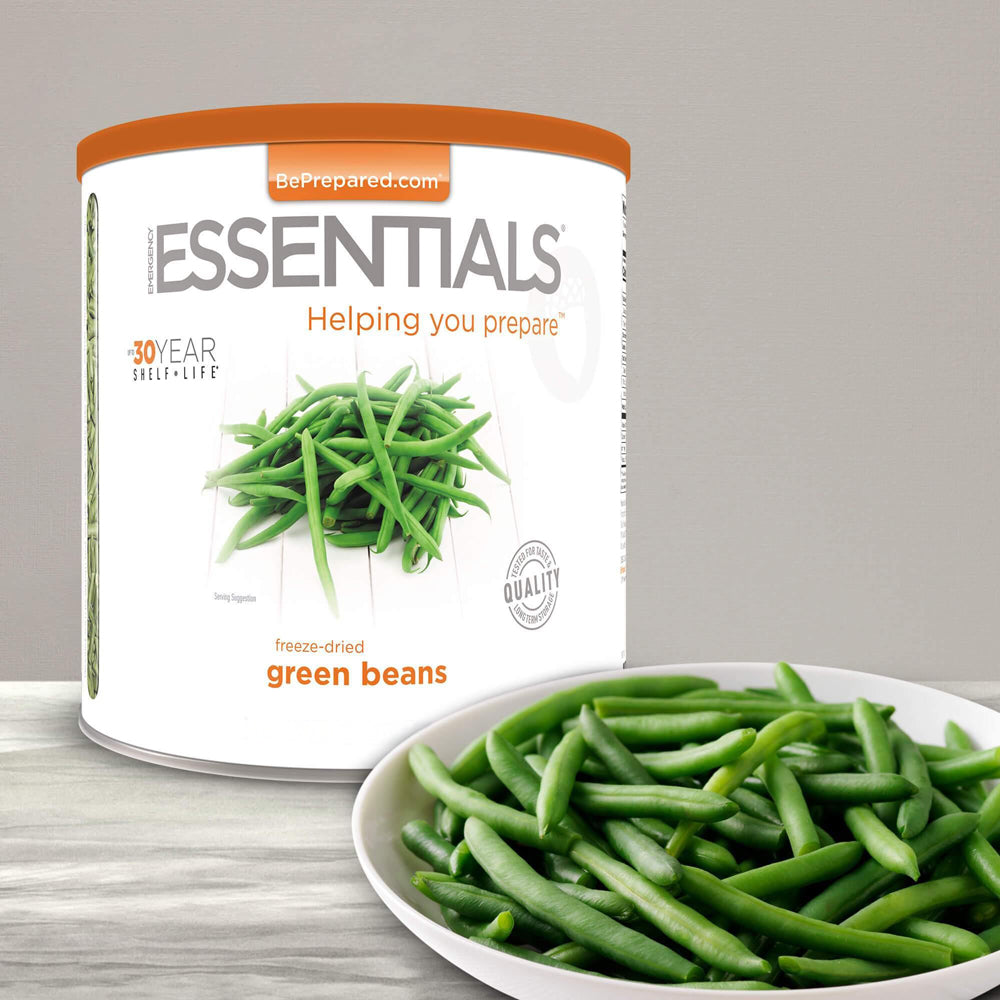
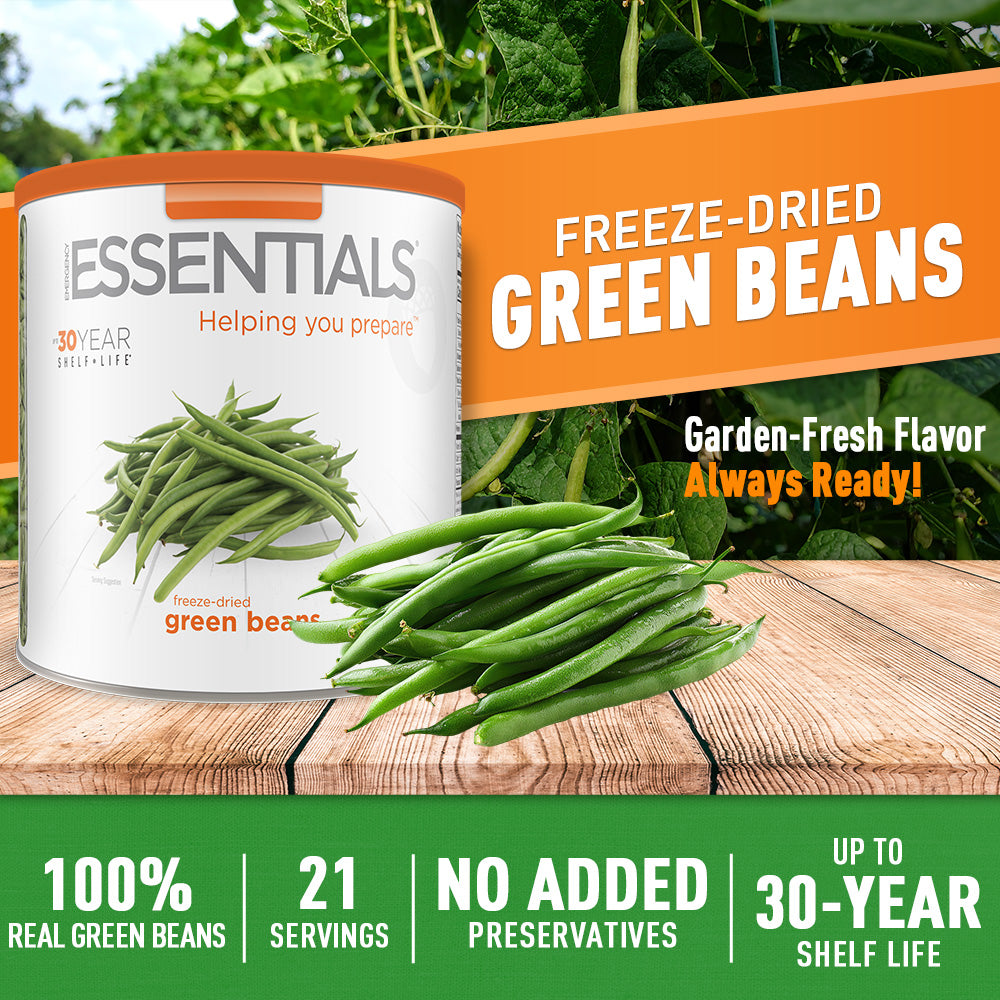
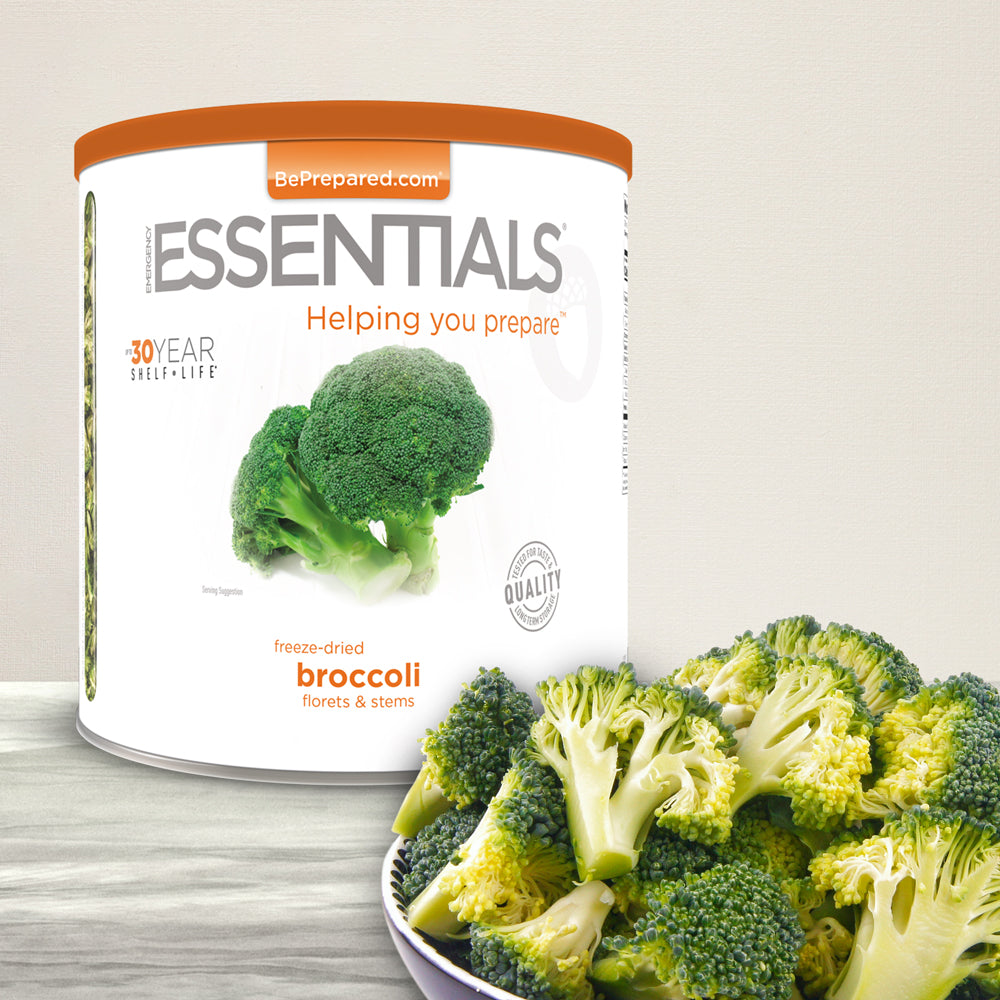
Freeze-dried Foods

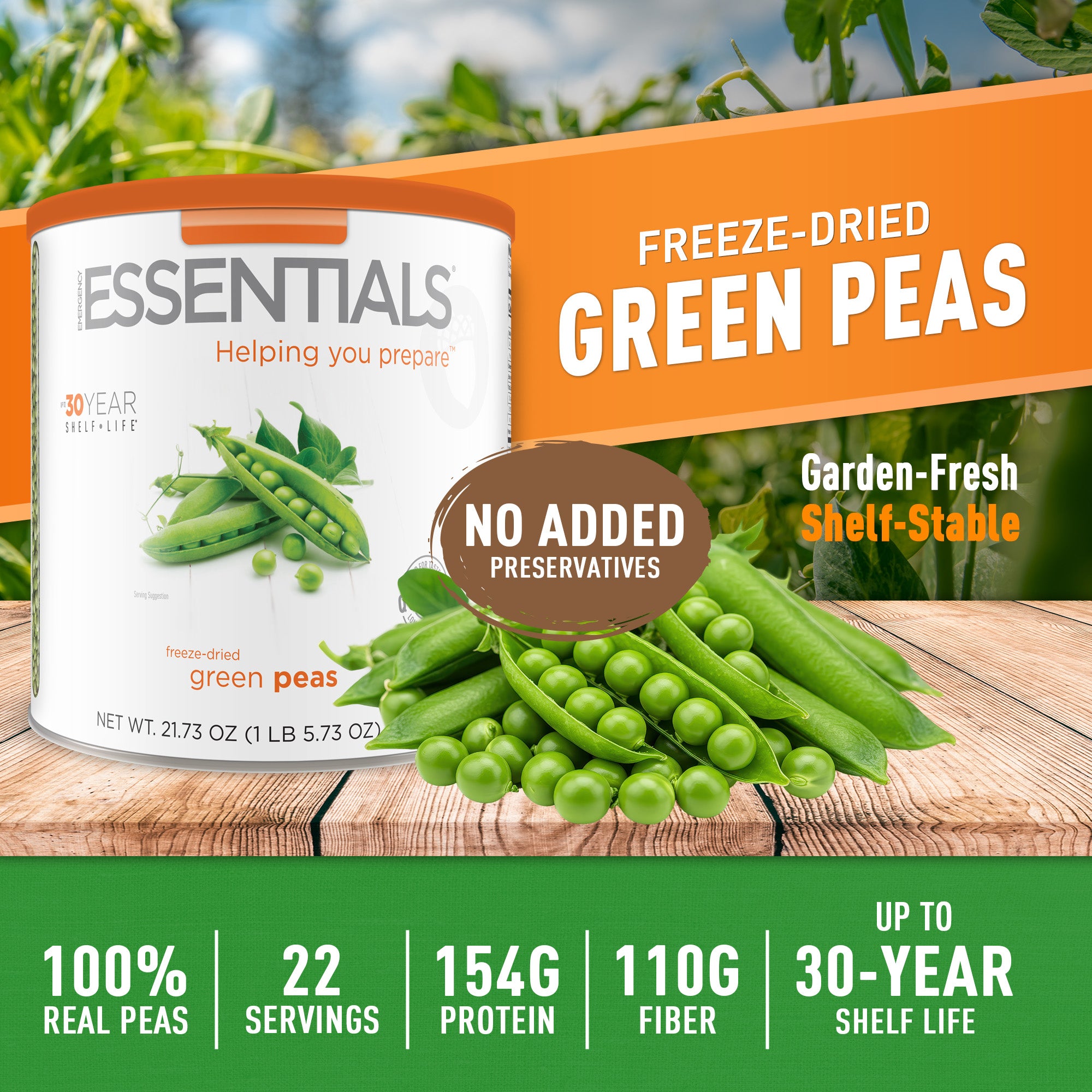
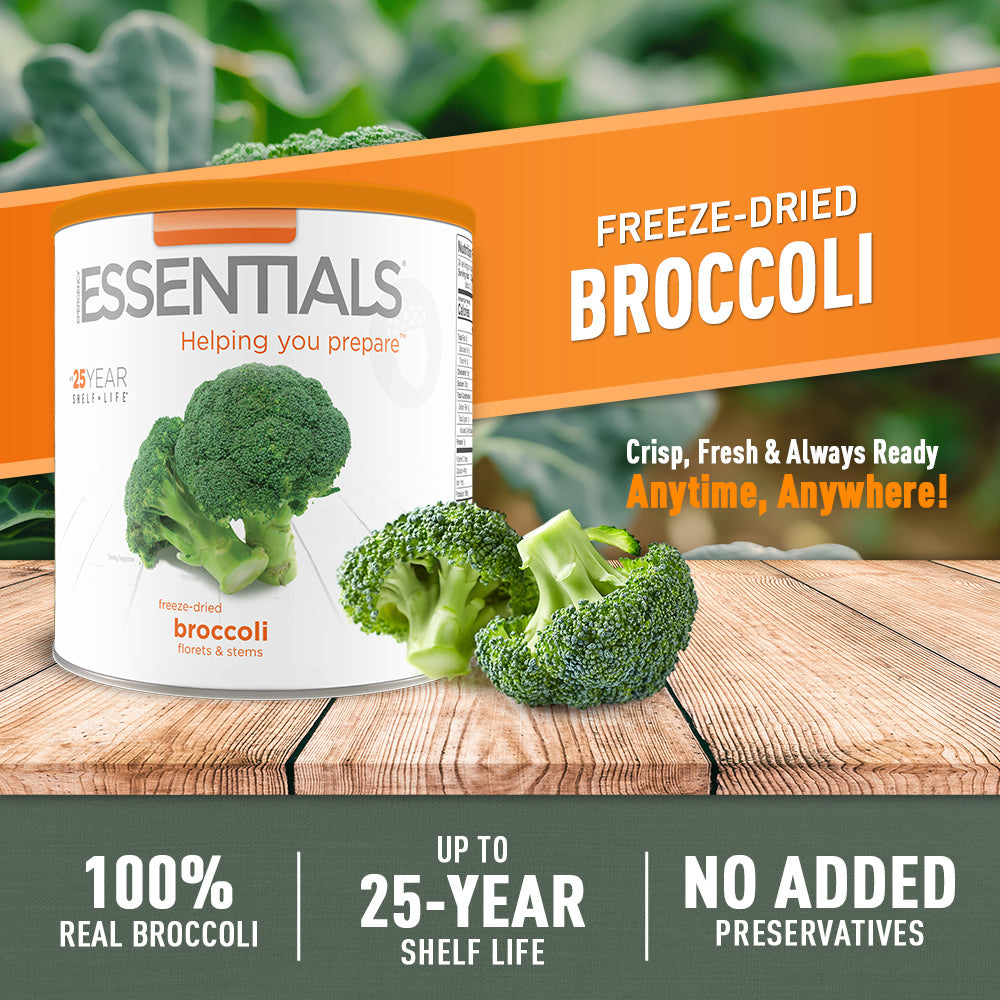
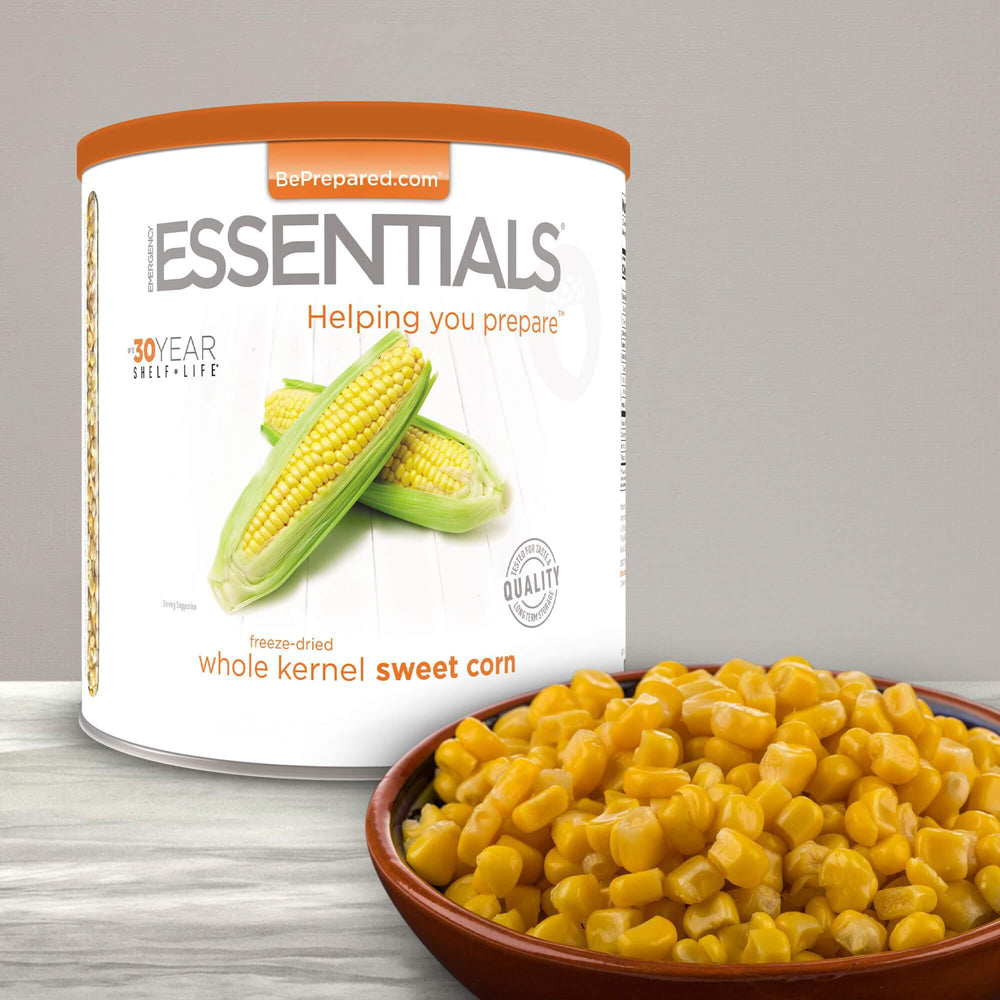
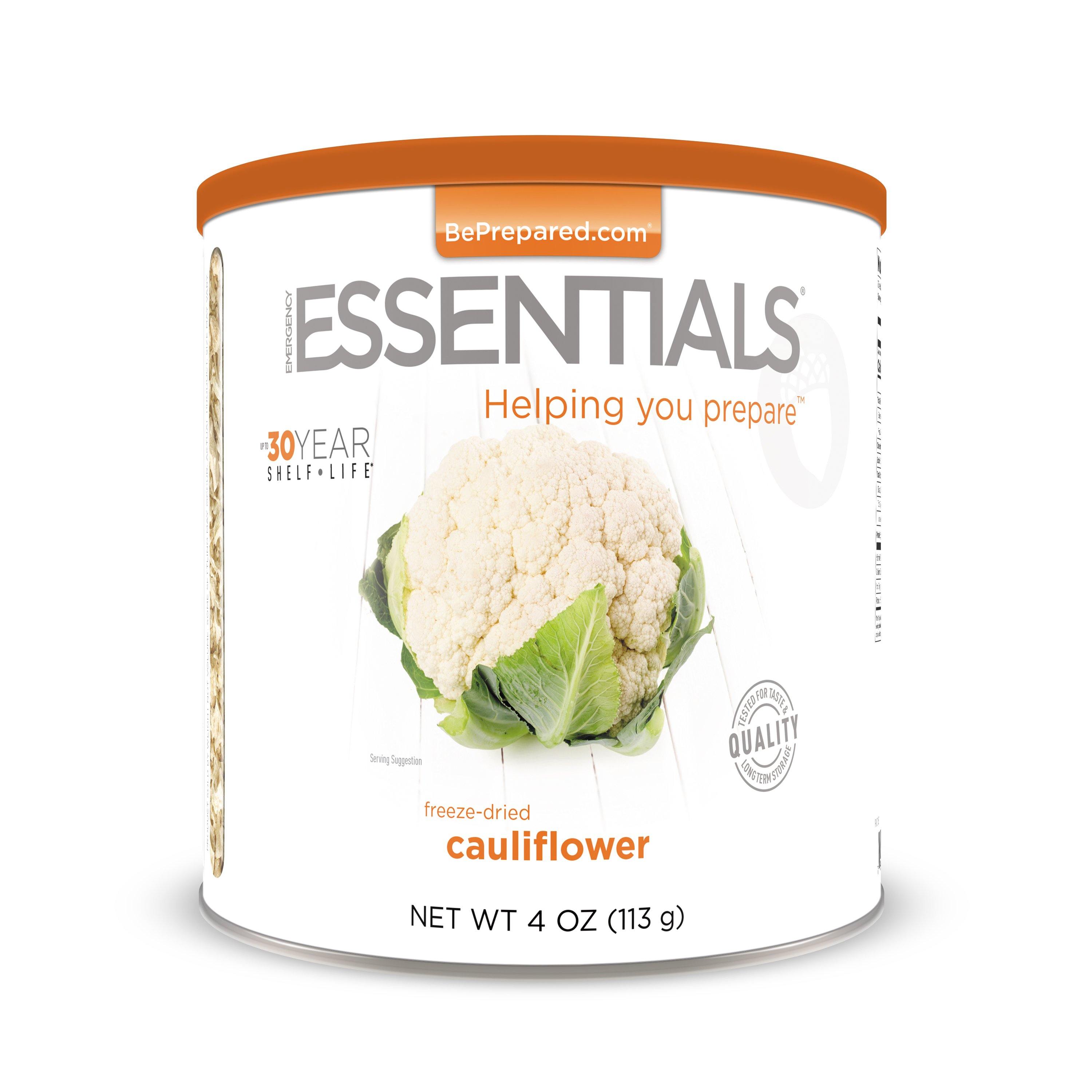
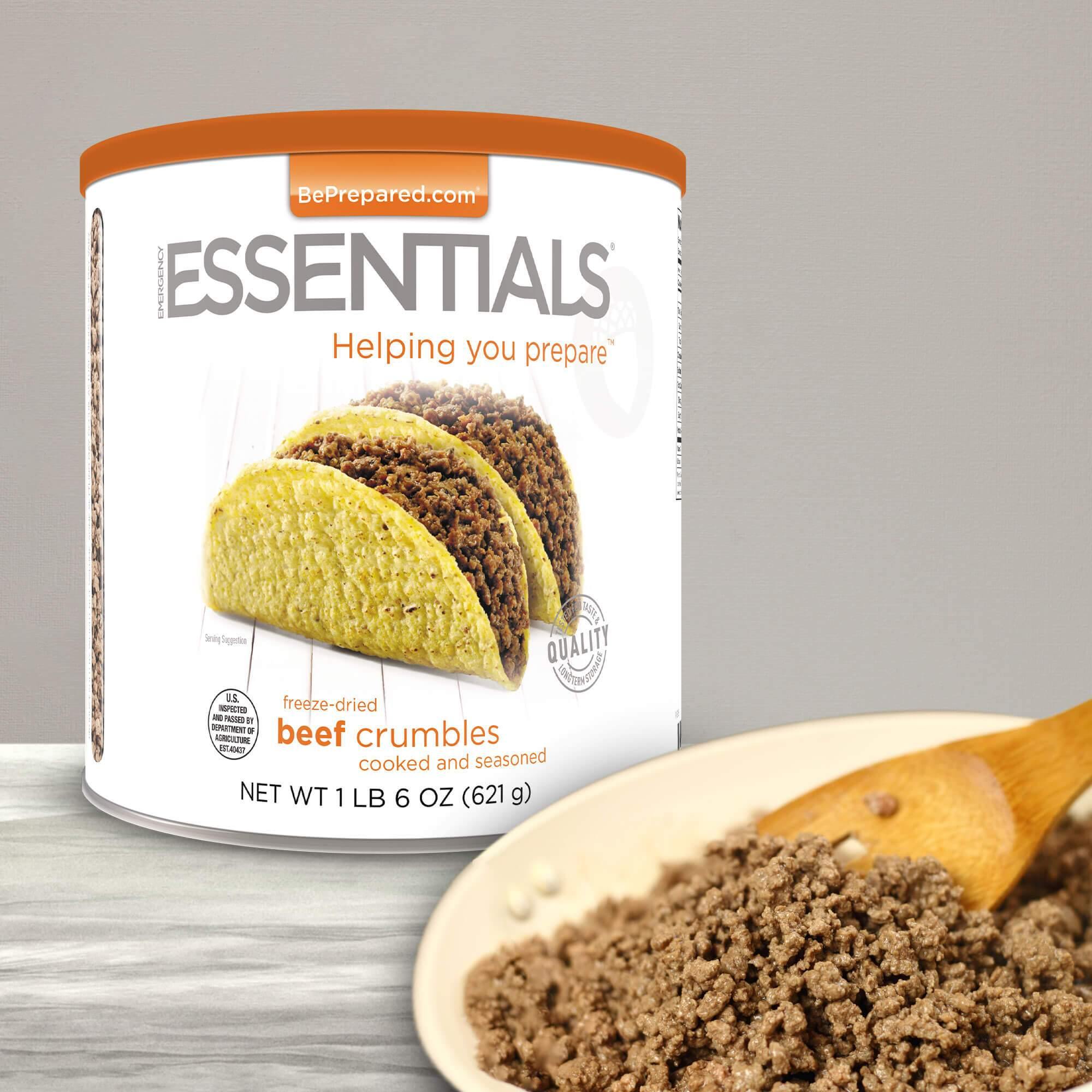
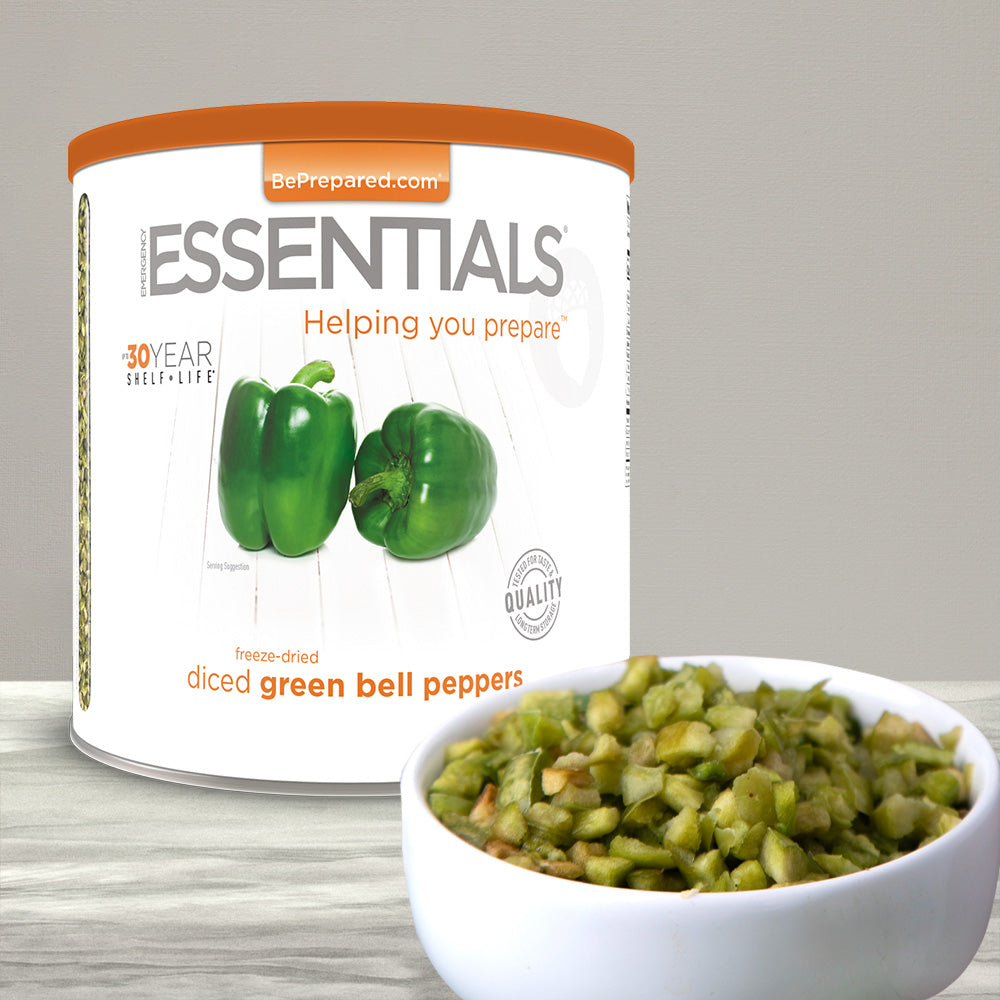
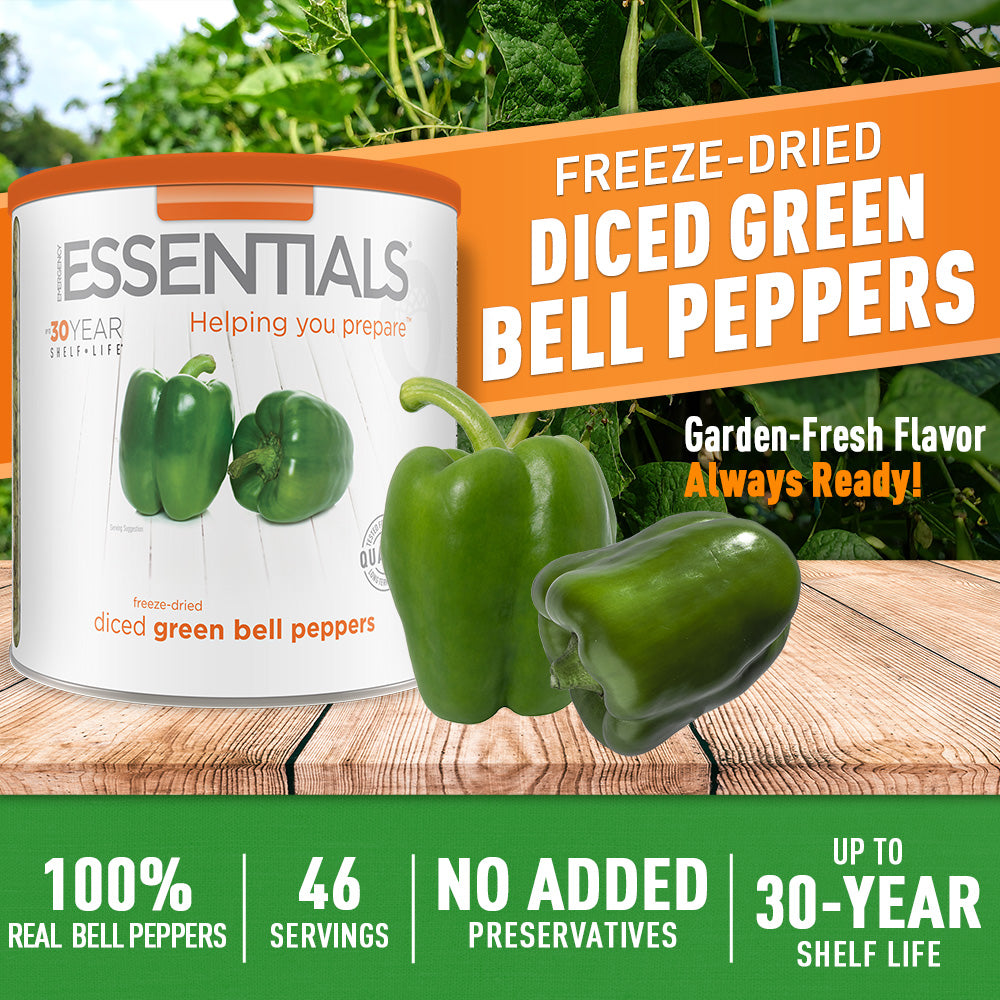
Freeze-drying is a process of preserving food that retains the delicious taste and nutrition of fresh foods. Fresh or cooked foods are flash frozen and then put in large vacuum chamber that remains as cold as -50° F. Minimal heat is applied, and the ice evaporates without ever going back into the liquid phase. This removes almost all of the moisture from the product.

Finally, the product is canned or bagged and labeled for long term storage for easy use at a later date. Although the freeze-drying method is generally more expensive, it generally produces a shelf life similar to that of dehydrated foods. It is a good choice for fruits and meats.

Advantages Disadvantages
Food keeps texture and shape Higher price
Quickly reconstitutes with warm water Need expensive equipment for freeze drying process
Lighter, for carrying or backpacking Only cost effective for selective products-- meats, fruits, and vegetables
Keeps full taste and size or bulk Requires more space to store since food remains full size

Dry Ice

The dry ice method can be done at home with a few simple tools. The carbon dioxide that is released from evaporating dry ice will kill all animal life in the container, thus helping it to store longer. There are two different ways to fumigate wheat with dry ice:

Basic on-top method

  1. On top of an almost full five gallon container, place one-quarter pound dry ice on nonconductive insulating material, such as kraft paper.
  2. Press lid down gently so some air can escape.
  3. After about 20-30 minutes, check to see if the dry ice has completely evaporated.
  4. If not, wait another five minutes and check again.
  5. When ice has completely evaporated, remove material and seal container.

Basic on-bottom method

  1. On the bottom of a five gallon storage bucket, place one-quarter pound dry ice under nonconductive paper that can be left in the bucket.
  2. Fill bucket with food you want to store--wheat, legumes, etc.
  3. Press lid down gently, leaving room for a small outlet for escaping air (lid will bulge and eventually blow off if air cannot escape).
  4. When dry ice has completely evaporated, seal container.

Caution: Do not allow dry ice to touch the food directly, or it will be frozen and become useless as food.

Advantages Disadvantages
Inexpensive, few tools required Dry ice may be difficult to locate
Can use dry ice method at home Dry ice needs to be carefully handled to avoid minor injuries
Can be used for grains and legumes--items that don't need to be freeze-dried Food has to be stored in large plastic buckets that may be permeable to oxygen
  Not the best method of long term storage--bacteria may still grow in carbon dioxide

Source: Making the Best of Basics--Family Preparedness Handbook by James Talmage Stevens

Home |  Group Specials |  Customer Service |  Retail Stores |  View our Return Policy  
Shipping Rates |  Contact Us |  About Us |  FAQs |  Site Map |  Related Links

Copyright 2009 Emergency Essentials ®
653 North 1500 West, Orem, UT 84057. 1-800-999-1863


Note: Supplies may be limited and prices are subject to change without notice.